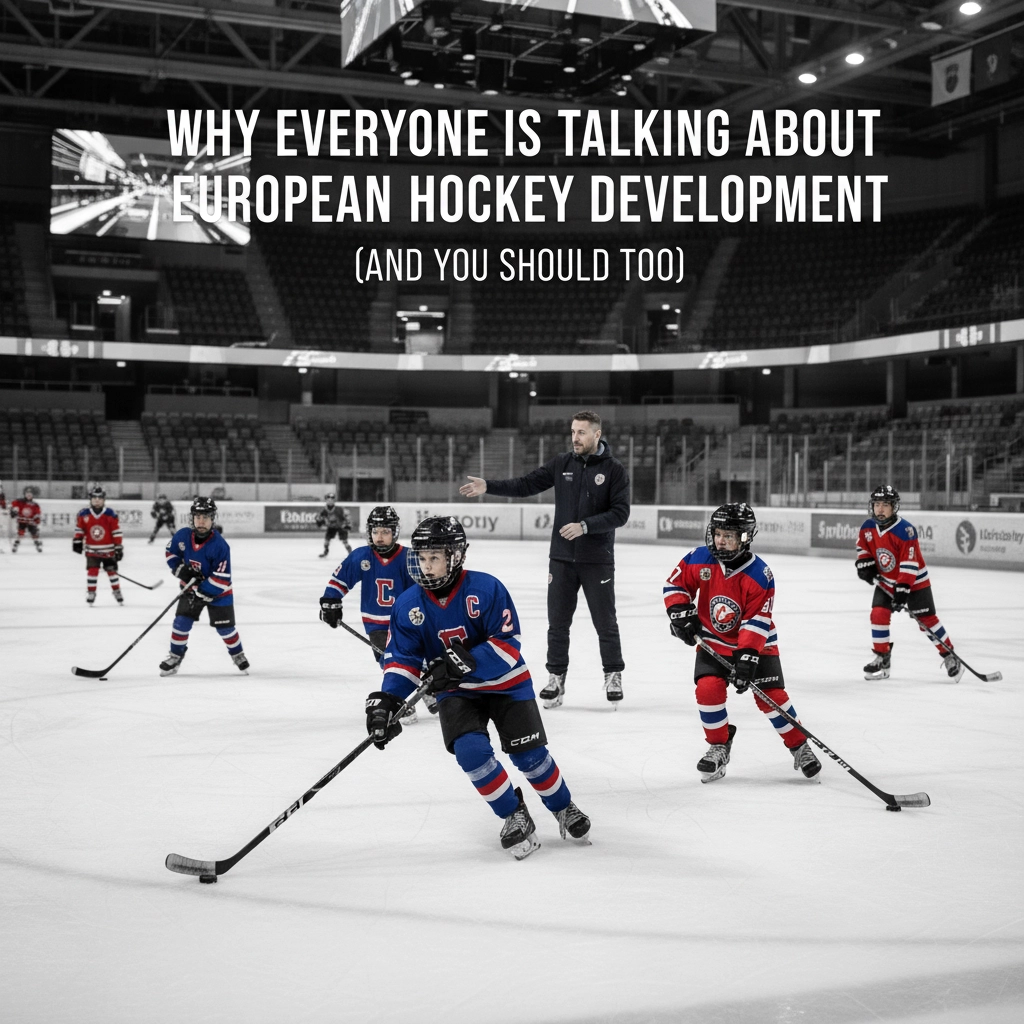
Why Everyone Is Talking About European Hockey Development (And You Should Too)
If you've been around youth hockey circles lately, you've probably heard whispers about European development programs. Maybe it was at the rink, or during a tournament weekend conversation with other hockey parents. The truth is, these aren't just whispers anymore: European hockey development has become the topic everyone's discussing, and for good reason.
The landscape of hockey development is shifting dramatically. What was once considered an exotic alternative is now becoming a mainstream pathway for serious young players. European hockey programs are producing results that are impossible to ignore, and smart families are taking notice.
The Numbers Don't Lie
Let's start with some eye-opening statistics. Europeans now make up 63% of NHL rosters as of the 2023-24 season: a league record that reflects a fundamental change in where elite hockey talent develops. This isn't a fluke or a temporary trend. It's the result of systematic improvements in European hockey infrastructure that have been building for years.
European college hockey has exploded to encompass 84 teams across 14 leagues in 17 countries, with more expansion planned through 2026. This growth represents more than just numbers on paper: it's creating legitimate pathways for players who might otherwise hit dead ends in traditional North American systems.
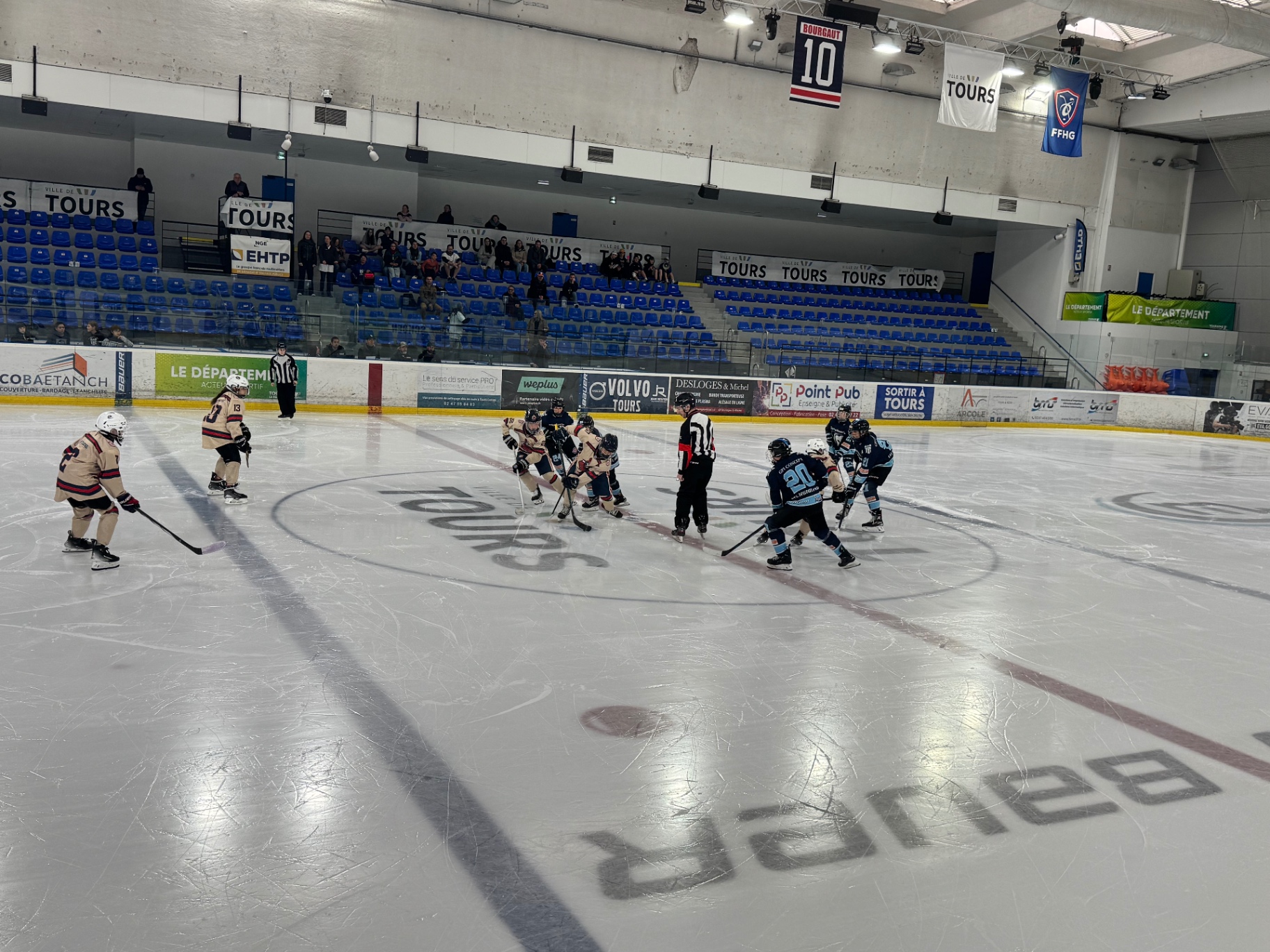
The development philosophy in Europe focuses heavily on skill acquisition over physical play, creating players who think the game differently. European coaching emphasizes creativity, problem-solving, and technical proficiency: attributes that translate perfectly to higher levels of hockey.
The Financial Reality That Changes Everything
Here's where European hockey development gets really interesting for families. European junior hockey typically operates either free or at very low cost compared to North American options. For college hockey programs, the average annual cost: including housing: comes in under $10,000. Compare that to North American programs that can easily exceed $50,000 annually, and you begin to understand why families are paying attention.
This isn't about cutting corners or settling for less. The International Ice Hockey Federation consistently rates European leagues as comparable to top-tier North American development programs in terms of competition quality and coaching standards.

But the financial advantages go beyond just program costs. Players participating in European development often gain valuable life skills, language abilities, and cultural awareness that make them more attractive to college recruiters and professional scouts. These intangible benefits have real value in today's competitive hockey landscape.
Development Advantages You Can't Get at Home
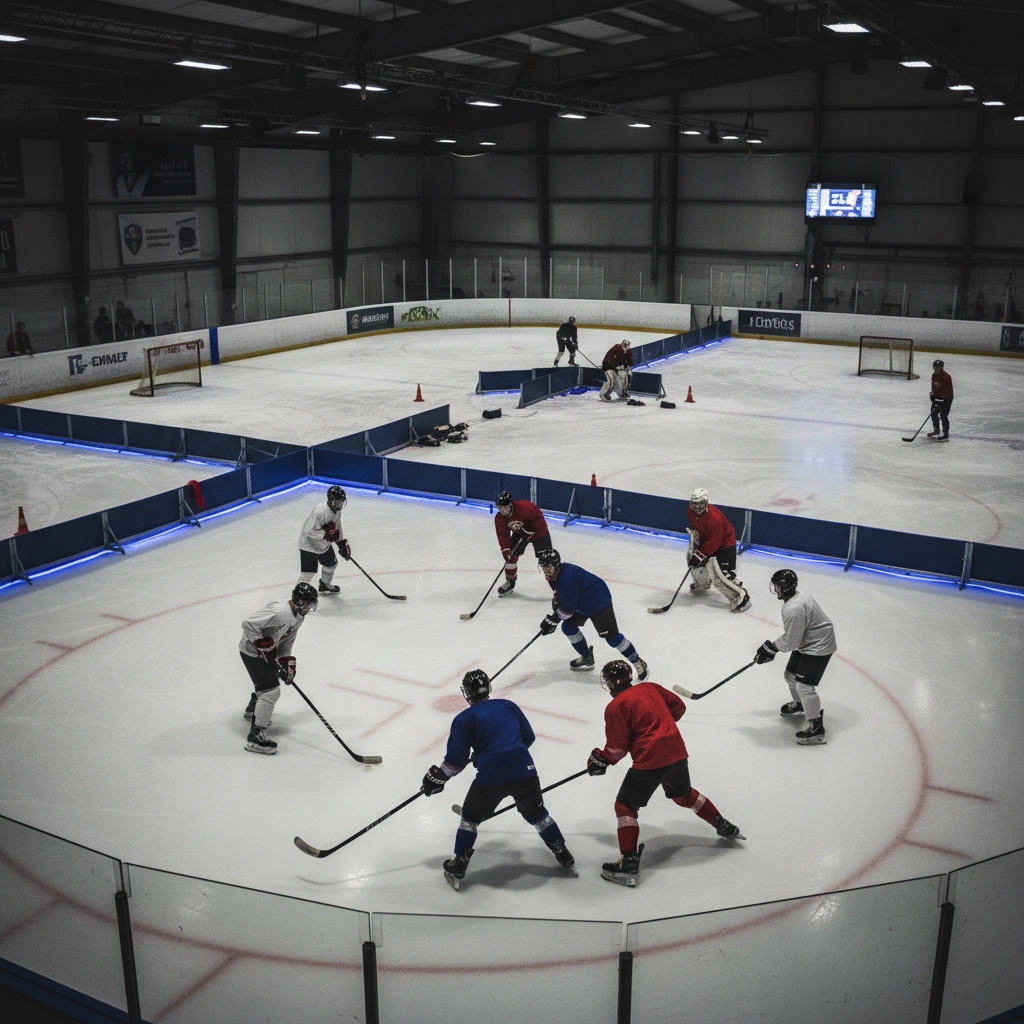
European hockey systems offer unique advantages that simply aren't available in North America. The emphasis on skill development over size and physicality creates opportunities for players who might be overlooked by traditional systems. European coaches spend significantly more time on individual skill work, small-area games, and tactical understanding.
The playing style in Europe demands higher hockey IQ. Players learn to make decisions quickly in tight spaces, develop superior puck-handling skills, and gain a deeper understanding of positional play. These aren't just nice-to-have skills: they're exactly what modern hockey demands at every level.
European tournaments and leagues also provide exposure to diverse playing styles. A player competing in France might face completely different tactical approaches than they would encounter in Czech Republic or Finland. This exposure builds adaptable, well-rounded players who can adjust to any system.
Success Stories Are Everywhere
NHL stars are actively investing in their home countries' hockey infrastructure, creating a feedback loop of improvement. Lukas Dostál of the Anaheim Ducks funded Czech Republic's first mobile hockey laboratory: a traveling skills development unit that visited 73 rural towns in 2024 alone, identifying 14 players who were subsequently drafted to top junior teams.
When Mikko Rantanen advocated for NHL-style small-area games in Finnish junior leagues, the results were measurable: 22% faster development of puck possession skills in 2024 cohorts compared to traditional training methods.
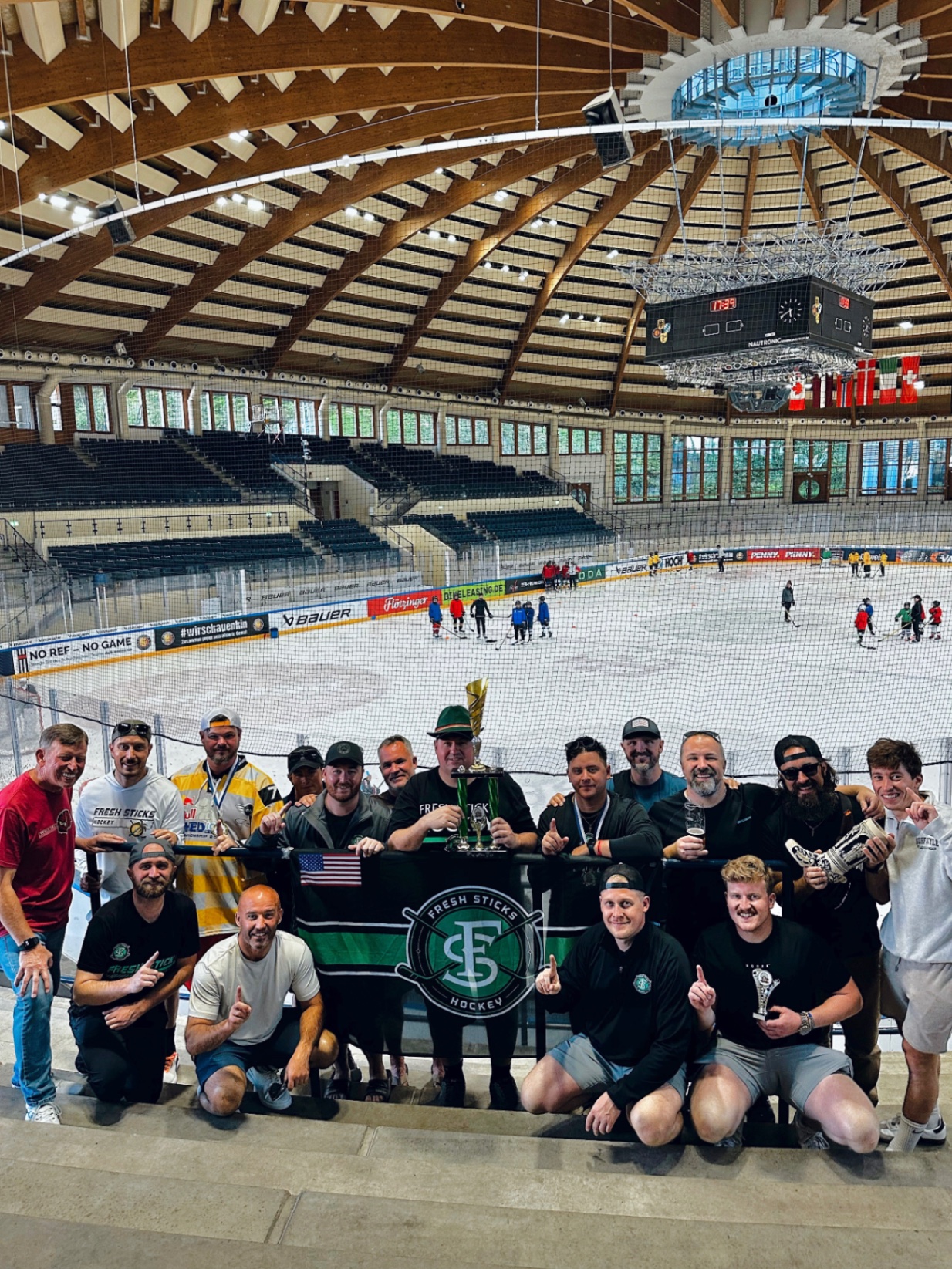
These aren't isolated examples. Across Europe, former NHL players are creating academies, funding facilities, and developing programs that combine European technical focus with North American intensity. The result is a development environment that takes the best of both approaches.
What This Means for Your Player
For families considering options beyond traditional North American pathways, European development represents a legitimate alternative worth serious consideration. Players who participate in European programs often return with enhanced skills, broader perspectives, and competitive advantages that serve them well regardless of their ultimate hockey goals.
The exposure to different coaching philosophies, playing styles, and cultural approaches to the game creates more complete players. Many participants describe the experience as transformative: not just for their hockey development, but for their personal growth as well.
European programs also offer reset opportunities for players who may have been overlooked or categorized too early in North American systems. The different evaluation criteria and development timelines in Europe can reveal potential that wasn't recognized domestically.
How MCN Sports Management Bridges the Gap
This is where MCN Sports Management becomes invaluable. We've built relationships with quality European programs, tournaments, and development opportunities that would be difficult for individual families to identify and access on their own.
Our European tournament offerings provide carefully curated experiences that maximize development opportunities while ensuring player safety and program quality. We understand that sending your child overseas for hockey development represents a significant decision, both financially and emotionally.
Through our advisory services, we help families navigate the complex landscape of European hockey options. Not every European program is created equal, and our experience helps families identify opportunities that align with their player's specific development needs and long-term goals.
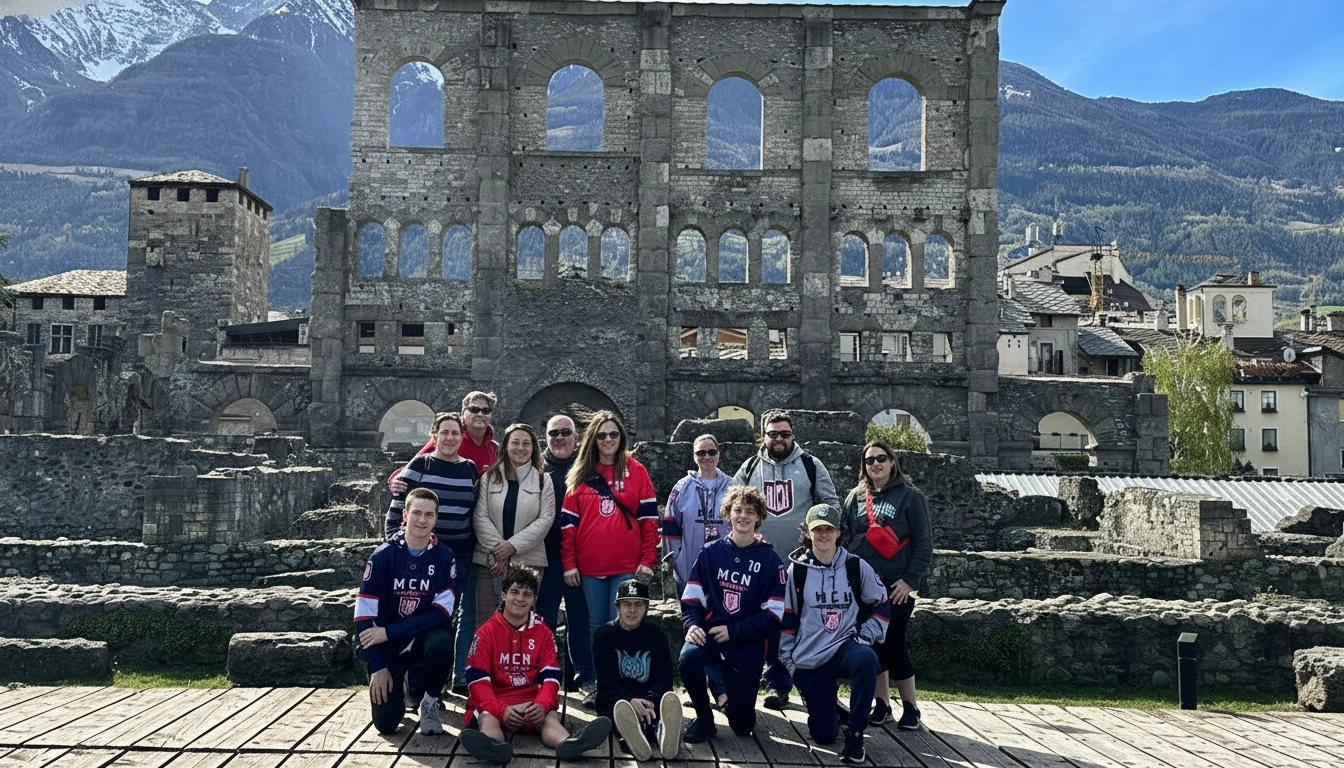
Our tournament programs offer controlled introduction to European hockey culture, allowing players and families to experience the benefits firsthand before committing to longer-term programs.
The Timing Couldn't Be Better
Several factors make this an ideal time to explore European hockey development. Visa requirements and import player restrictions in professional European leagues are creating increased demand for players with European development experience. The infrastructure investments happening across Europe mean program quality is at an all-time high.
Additionally, the hockey world is becoming increasingly global. College scouts and professional recruiters now actively monitor European leagues and tournaments. Participation in quality European programs no longer represents a detour from mainstream development: it's becoming part of the mainstream.
According to Hockey Canada's development research, international experience significantly enhances player adaptability and decision-making skills. Similarly, USA Hockey's technical studies emphasize the value of diverse playing experiences in creating well-rounded players.
The conversation about European hockey development isn't happening by accident. It's the result of tangible improvements in program quality, measurable development outcomes, and real opportunities that didn't exist even five years ago. For families willing to think beyond traditional pathways, European hockey development offers compelling advantages that deserve serious consideration.
Whether you're looking at our upcoming tournaments in France or considering longer-term European development options, the key is working with experienced advisors who understand both the opportunities and the challenges involved. The hockey world is changing, and European development is playing a central role in that evolution.

![[HERO] Why Everyone Is Talking About International Hockey Tournament Tours (And You Should Too)](https://cdn.marblism.com/XgSqNa4uysh.webp)
![[HERO] From Milano to Your Local Rink: Why International Hockey Changes Everything](https://cdn.marblism.com/u9CDc41mCAM.webp)




Comments