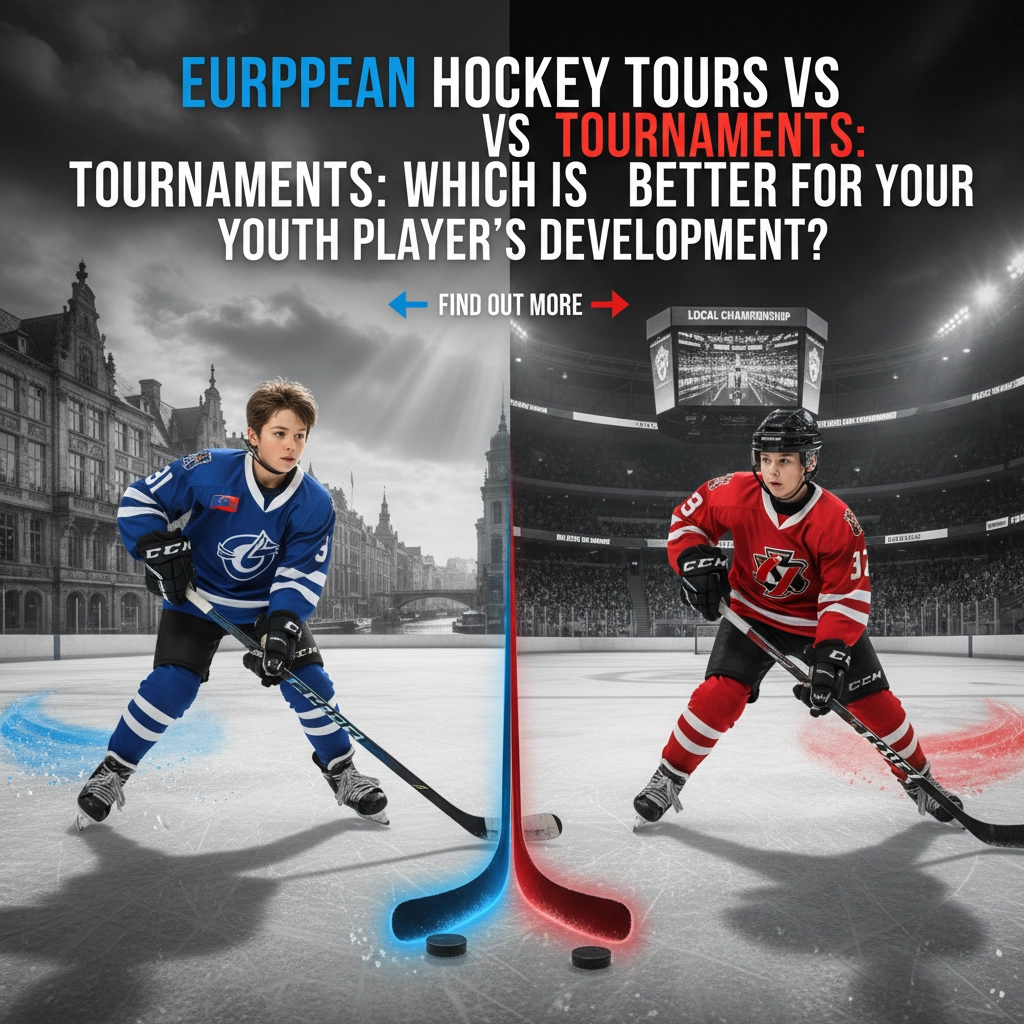
European Hockey Tours vs Local Tournaments: Which Is Better For Your Youth Player Development?
- Oct 16, 2025
- 5 min read
Every hockey parent faces this question at some point: should we invest in that expensive European tour, or stick with local tournaments closer to home? It's a tough call, especially when you're trying to balance development opportunities with your family budget.
Having organized European hockey experiences for countless youth teams over the years, I've seen both sides of this debate play out. Some families swear by international tournaments, while others believe local competition provides everything their young player needs. The truth? Both approaches have merit, but the best choice depends on your specific situation.
Let's break down what each option really offers for your young hockey player's development.
European Hockey Tours: More Than Just Hockey
When people think about European hockey tours, they often focus on the hockey itself: and that's understandable. But the reality is that these experiences deliver development in ways that go far beyond what happens on the ice.
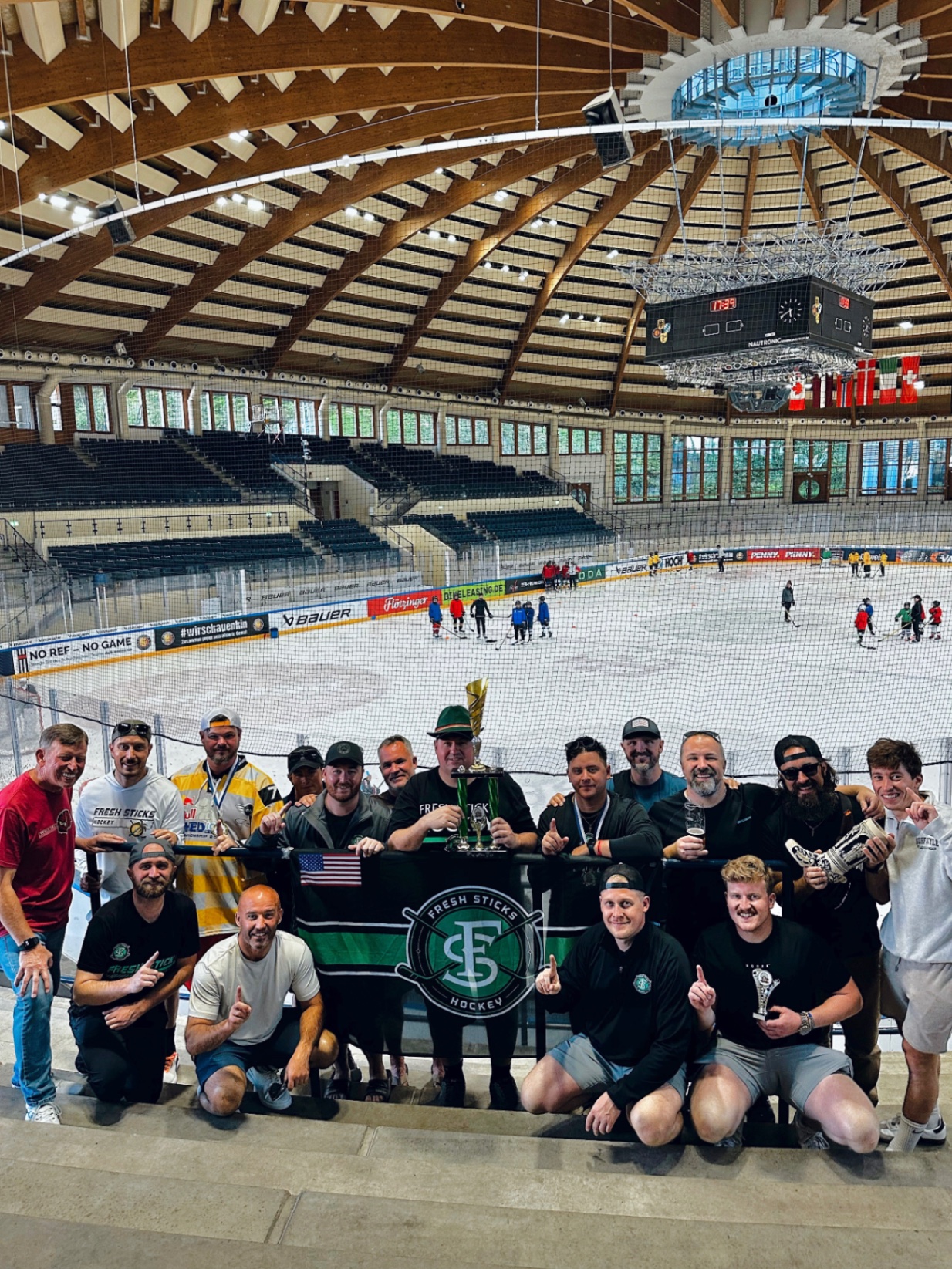
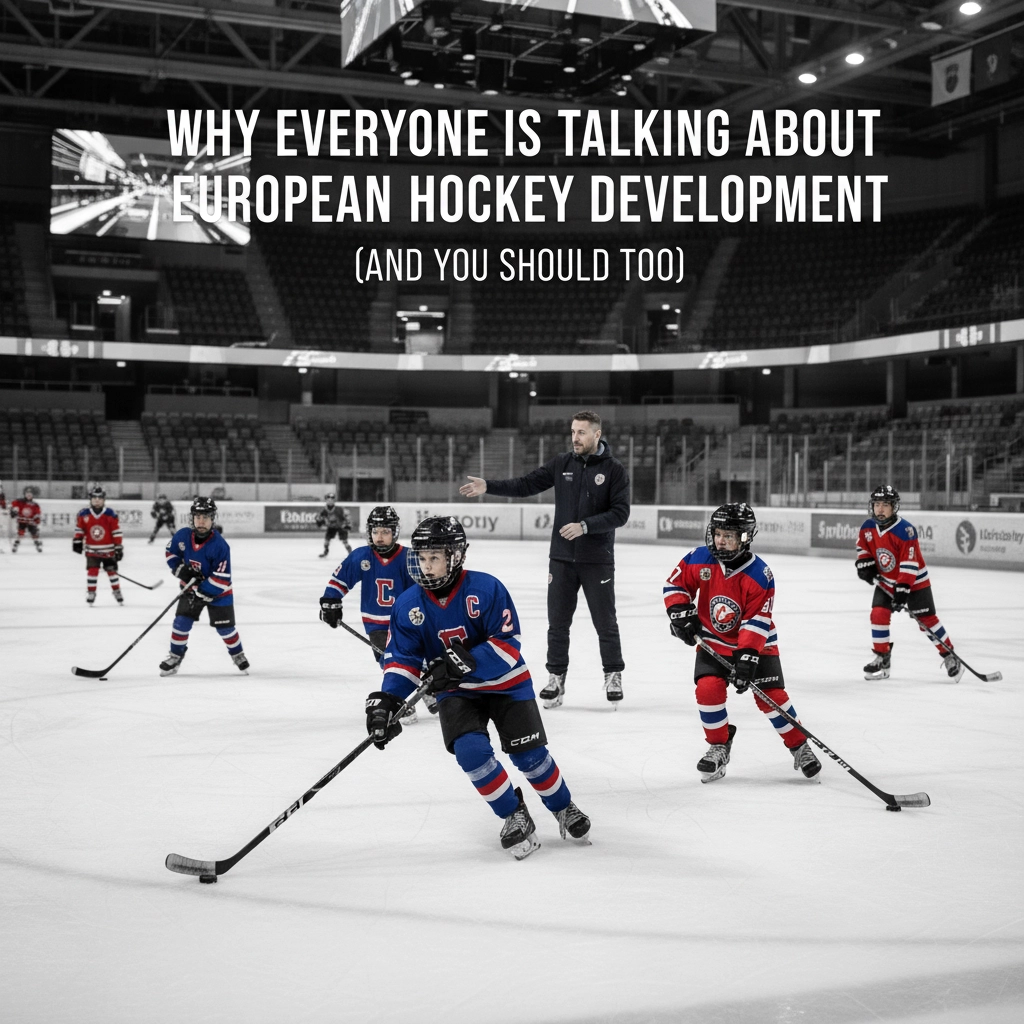
Take the hockey component first. European youth hockey operates differently than North American styles. In Italy, for example, youth leagues emphasize skating technique and puck-handling over physical play, and games are played on Olympic-sized ice surfaces. This forces players to develop better spatial awareness and puck control skills. Finnish hockey focuses heavily on fundamental skills and creativity, while Czech programs are known for their technical precision.
One parent from our recent Finland Lions Cup told me their son "came back home with completely different confidence in his skating. He learned to use the extra space on the big ice and it translated immediately to better play on our smaller rinks."
But here's what many families don't expect: the life skills development often surpasses the hockey gains. Navigating European airports, handling foreign currency, communicating with teammates from other countries, trying new foods: these experiences build self-reliance and confidence that shows up both on and off the ice.
During our France tournament last spring, I watched a shy 14-year-old from Massachusetts become the unofficial translator for his team after picking up basic French phrases. His parents couldn't believe the transformation in his confidence level.
The tournament format also differs from typical North American competitions. Most European tours include 5-7 games against international teams, plus practice sessions and cultural activities. It's hockey immersion combined with world travel: something that creates lasting memories and friendships.
Local Tournaments: Consistency and Cost-Effectiveness
Local tournaments have their own compelling advantages, starting with accessibility. A weekend tournament two hours from home costs a fraction of an international trip, allowing families to participate in multiple events throughout the season.
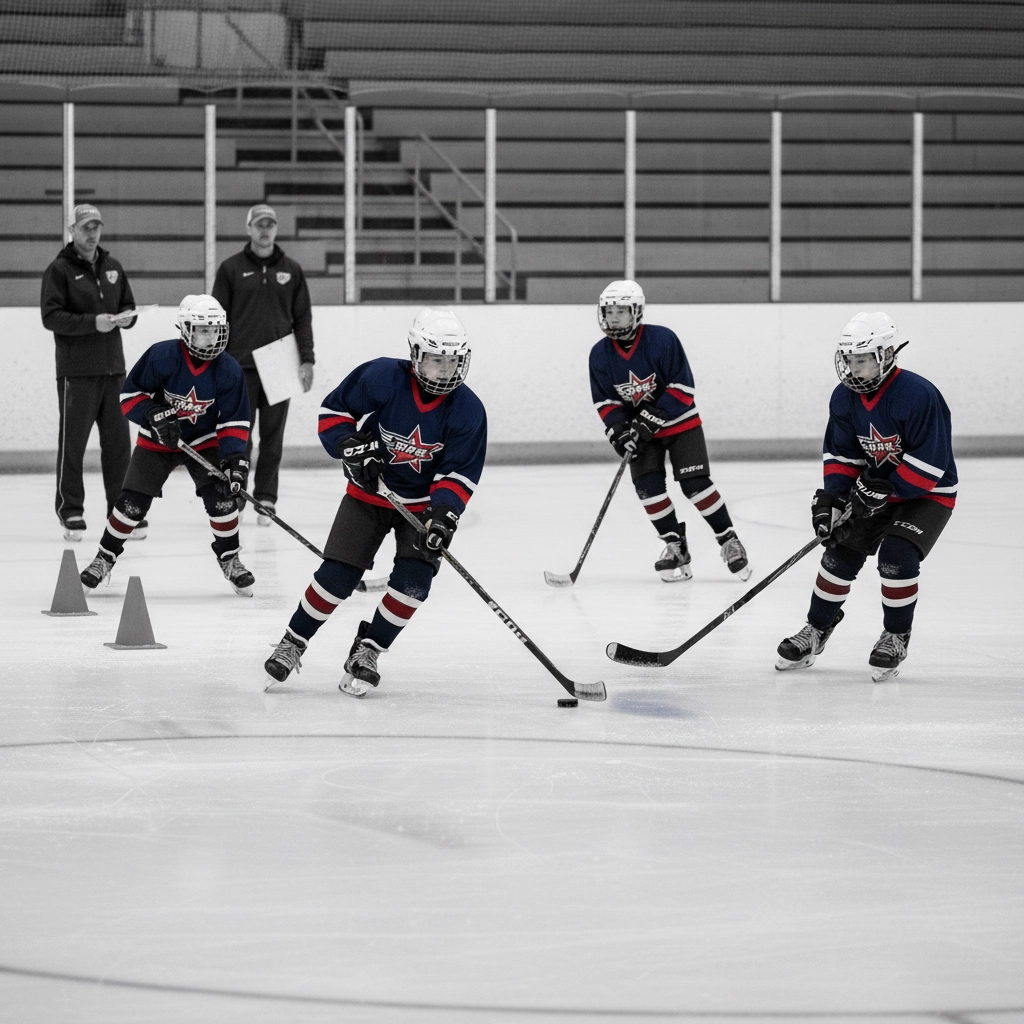
The development argument for local tournaments is straightforward: consistent, regular competition against familiar opponents allows players to work on specific skills over time. Hockey development experts like those at USA Hockey emphasize that fundamental skill development happens through repetition and regular practice, not occasional tournament experiences.
Local tournaments also mean parents can attend games without taking vacation time or making major travel arrangements. This family support often translates into better performance and enjoyment for young players.
The challenge with local tournaments: and this applies to tournaments in general: is that they can become too focused on winning rather than development. As one longtime youth coach told me, "Too many local tournaments turn into showcases where coaches care more about the scoreboard than whether their players are actually improving."
This is where the tournament selection becomes crucial. The best local tournaments emphasize skill development and provide meaningful competition without the pressure-cooker atmosphere that can hurt young players' love for the game.
The Real Comparison: What Parents Should Consider
Let's be honest about costs first. A European hockey tour typically runs $4,000-$7,000 per player, depending on the destination and duration. That covers international flights, accommodations, meals, ground transportation, and tournament fees. A local tournament might cost $200-$800 total.
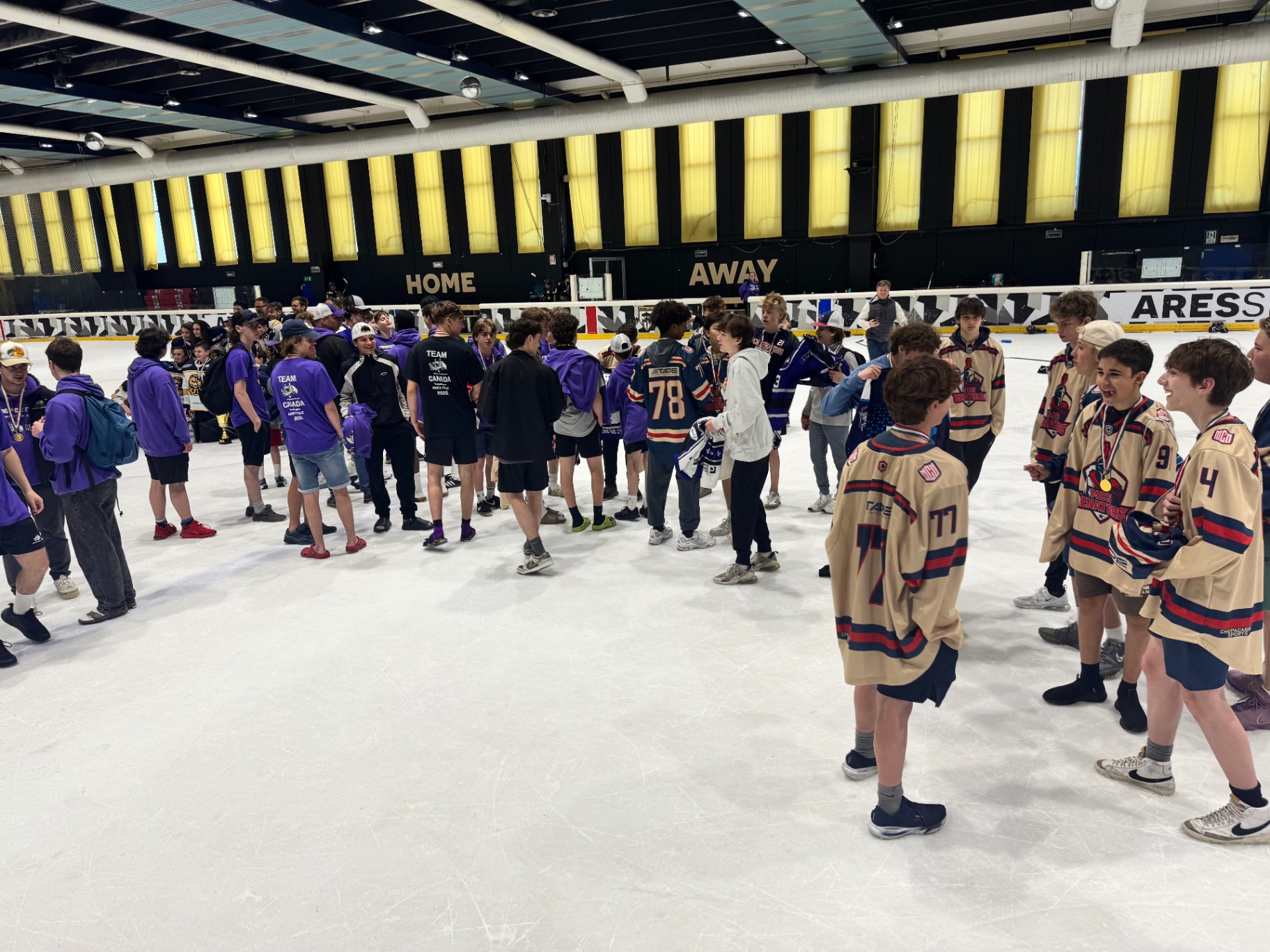
But cost per experience doesn't tell the whole story. European tours are comprehensive experiences that combine hockey, travel, cultural education, and personal growth. Local tournaments focus primarily on the hockey component.
For hockey development specifically, European tours excel at exposing players to different styles and approaches they wouldn't encounter locally. The International Ice Hockey Federation notes that exposure to various playing styles enhances overall hockey IQ and adaptability: skills that become more important as players advance.
Local tournaments provide more frequent competitive opportunities and can be better suited for working on specific aspects of a player's game over time. The key is finding tournaments that prioritize development over just winning.
Age and Timing Matter More Than You Think
The player's age significantly impacts which option provides more value. For players under 12, the cultural and travel aspects of European tours may be overwhelming, and the hockey benefits might not justify the investment. These younger players often benefit more from consistent local development.
Players aged 13-16 typically gain the most from European experiences. They're mature enough to appreciate the cultural aspects while still impressionable enough for the experience to influence their development significantly.
For older players (16+), European tours can provide valuable exposure to international scouts and different pathways to higher-level hockey, including European junior programs and academies.
Making the Right Choice for Your Family
Choose European tours if:
Your family can afford the investment without financial stress
Your player is mature enough (typically 13+) to benefit from international travel
You value cultural education and life experiences alongside hockey development
Your player has plateaued locally and needs exposure to different playing styles
You're looking for a once-in-a-lifetime experience that creates lasting memories
Choose local tournaments if:
Budget is a primary concern
Your player is younger or thrives in familiar environments
You prefer investing in year-round development programs and coaching
You want multiple competitive experiences throughout the season
Your focus is purely on hockey skill development
The Balanced Approach That Works Best
After years of working with families facing this decision, I've found the most successful approach combines both options when possible. Invest primarily in quality local development: good coaching, regular practice, and meaningful local competition: then supplement with an occasional European experience.
This approach provides the consistency needed for fundamental skill development while offering the unique benefits of international competition and cultural immersion. The key is ensuring neither option replaces solid, year-round developmental programming.
For families exploring European options, programs like our Finland Lions Cup or other tournaments provide structured experiences that balance competitive hockey with cultural education. These aren't just hockey tournaments: they're comprehensive development experiences designed to benefit young players on multiple levels.
Resources like The Hockey News and USA Hockey's development guidelines offer excellent frameworks for evaluating any tournament opportunity, whether local or international. The Hockey Writers also provides valuable insights into youth development trends and best practices.
The bottom line? Both European tours and local tournaments can contribute to your player's development when chosen thoughtfully. The best option depends on your family's goals, budget, and your player's individual needs and maturity level. Focus on quality experiences that challenge your player appropriately while maintaining their love for the game: that's where real development happens, regardless of the zip code.

![[HERO] Why Everyone Is Talking About International Hockey Tournament Tours (And You Should Too)](https://cdn.marblism.com/XgSqNa4uysh.webp)
![[HERO] From Milano to Your Local Rink: Why International Hockey Changes Everything](https://cdn.marblism.com/u9CDc41mCAM.webp)




Comments