From Milano to Your Local Rink: Why International Hockey Changes Everything
If you've been watching the 2026 Winter Olympics in Milano Cortina this week, you know exactly what we're talking about. Sidney Crosby leading Team Canada. Connor McDavid dazzling on Olympic ice. Auston Matthews wearing the red, white, and blue. The NHL's best are back on the world stage, and it's everything hockey fans dreamed it would be.
But here's what most people miss while watching these incredible athletes compete: the impact of international hockey isn't just reserved for NHLers and Olympic medals. Every shift, every deke, every celebration happening in Italy right now carries a lesson that applies to youth hockey players grinding it out on their local rinks back home.
International hockey changes players. Not just their skills: though that happens too: but their entire perspective on the game, their teammates, and themselves.
What Makes This Olympics Different
The return of NHL players to Olympic competition after missing PyeongChang 2018 and Beijing 2022 has rekindled something special. When Crosby scored in Canada's opening game, you could feel it through the screen: this is what international hockey is supposed to look like. The pride. The intensity. The realization that you're not just playing for yourself or your franchise, but for something bigger.
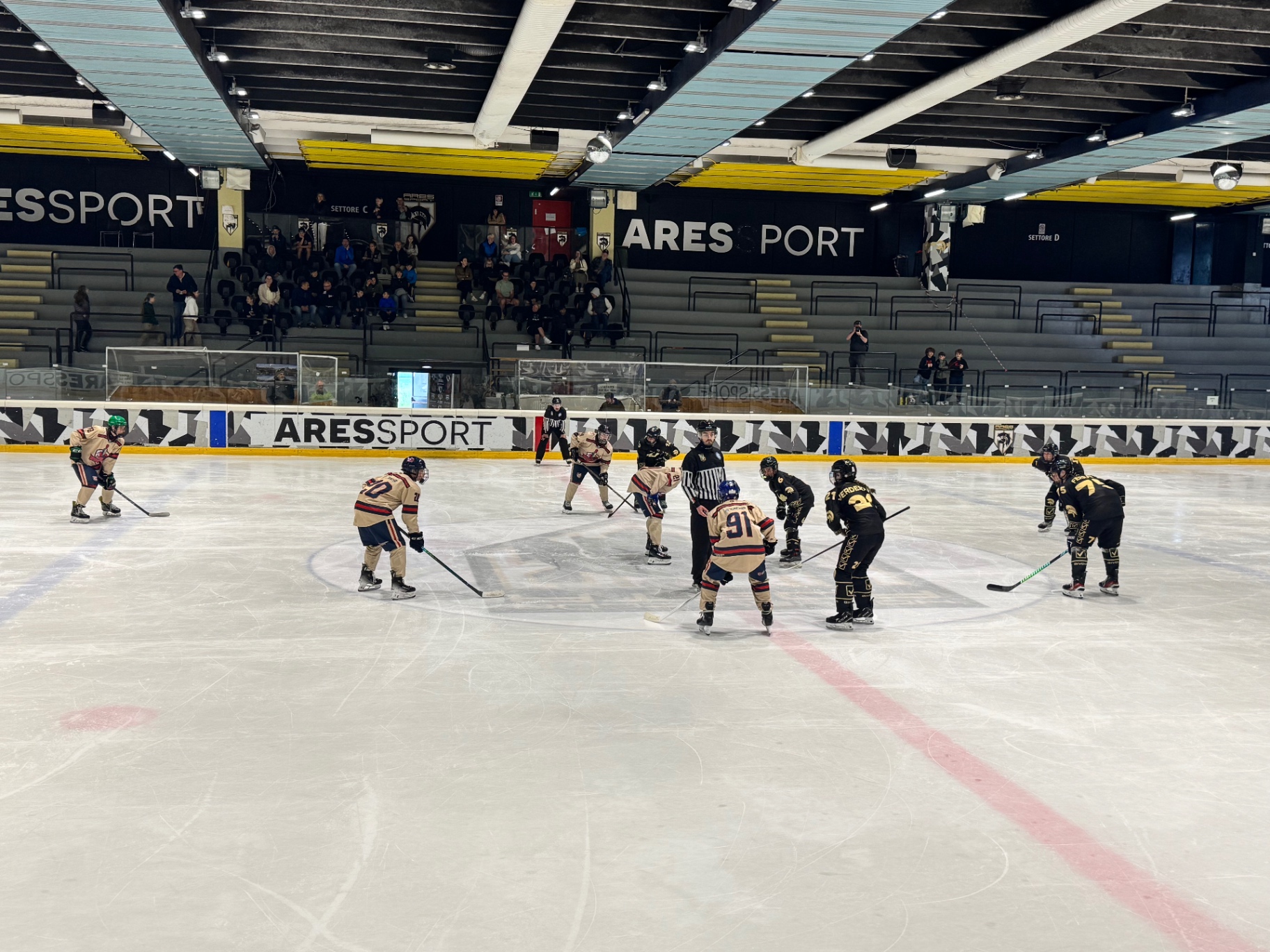
Young players watching these games are witnessing more than highlight-reel goals. They're seeing how the best players in the world elevate their game when representing their countries. They're observing different systems, varied playing styles, and the chess match that unfolds when Team USA's speed meets Sweden's structure or Canada's physicality clashes with Finland's tactical discipline.
That exposure matters. Because understanding hockey as a global game: not just a North American one: fundamentally changes how players see their own development.
The European Style That Youth Players Need to See
Ask any coach who's sent their team overseas, and they'll tell you the same thing: players come back different. The European game, particularly in countries like Sweden, Finland, and Switzerland, emphasizes puck movement, spatial awareness, and hockey IQ in ways that sometimes get lost in the North American grind of dump-and-chase.
When your 13-year-old defenseman faces a Finnish team that transitions through the neutral zone with quick, tape-to-tape passes instead of rimming pucks around the boards, something clicks. When your forward realizes that Swedish teams create odd-man rushes not through cherry-picking but through synchronized timing and positional support, their understanding of offensive hockey matures overnight.
These aren't lessons you can teach in a drill. They require experiencing them firsthand, feeling the pace of a different system, and adjusting on the fly against opponents who've been raised in a completely different hockey culture.
Beyond the Ice: The Cultural Growth Nobody Talks About Enough
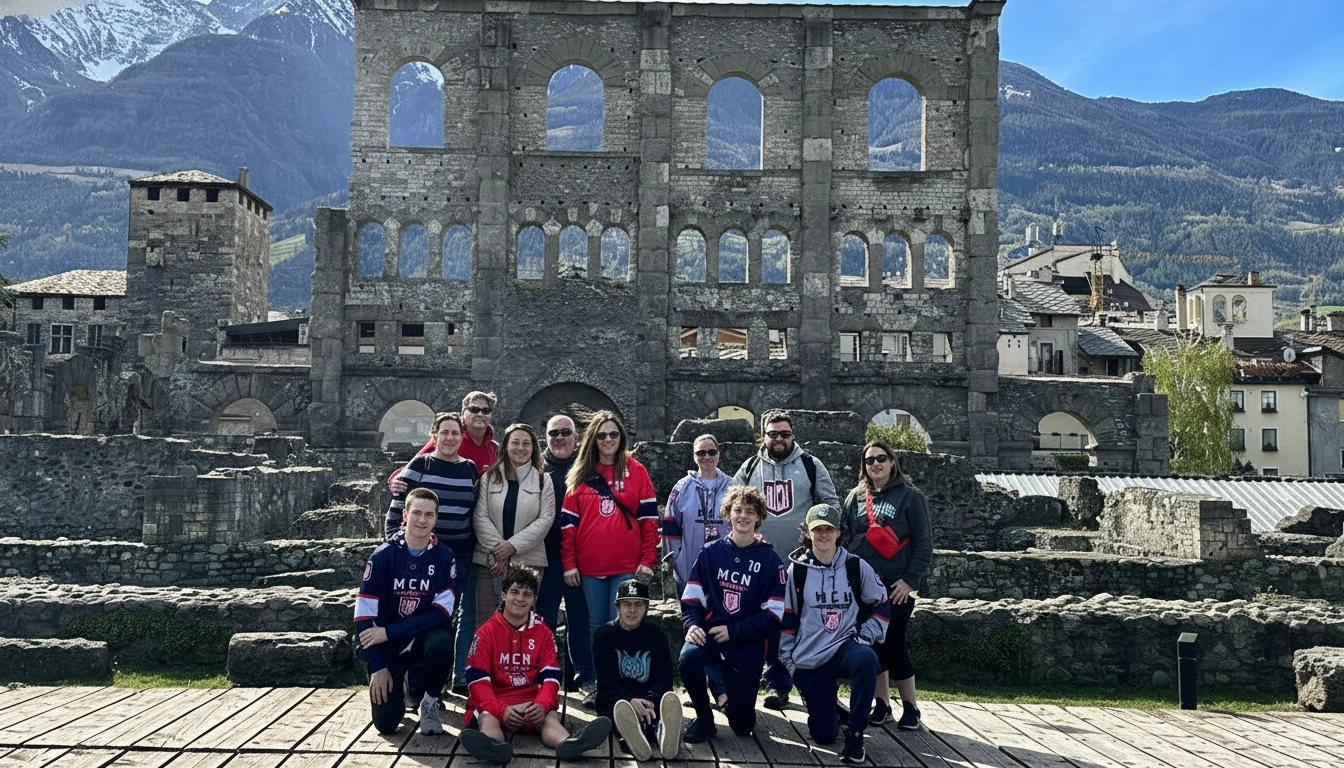
Here's where international hockey delivers benefits that go far beyond hockey itself. A tournament in Stockholm isn't just about the games: it's about the bus rides through Swedish neighborhoods, the team dinners trying foods that half the players can't pronounce, and the realization that kids on the opposing team have the same dreams despite growing up thousands of miles away.
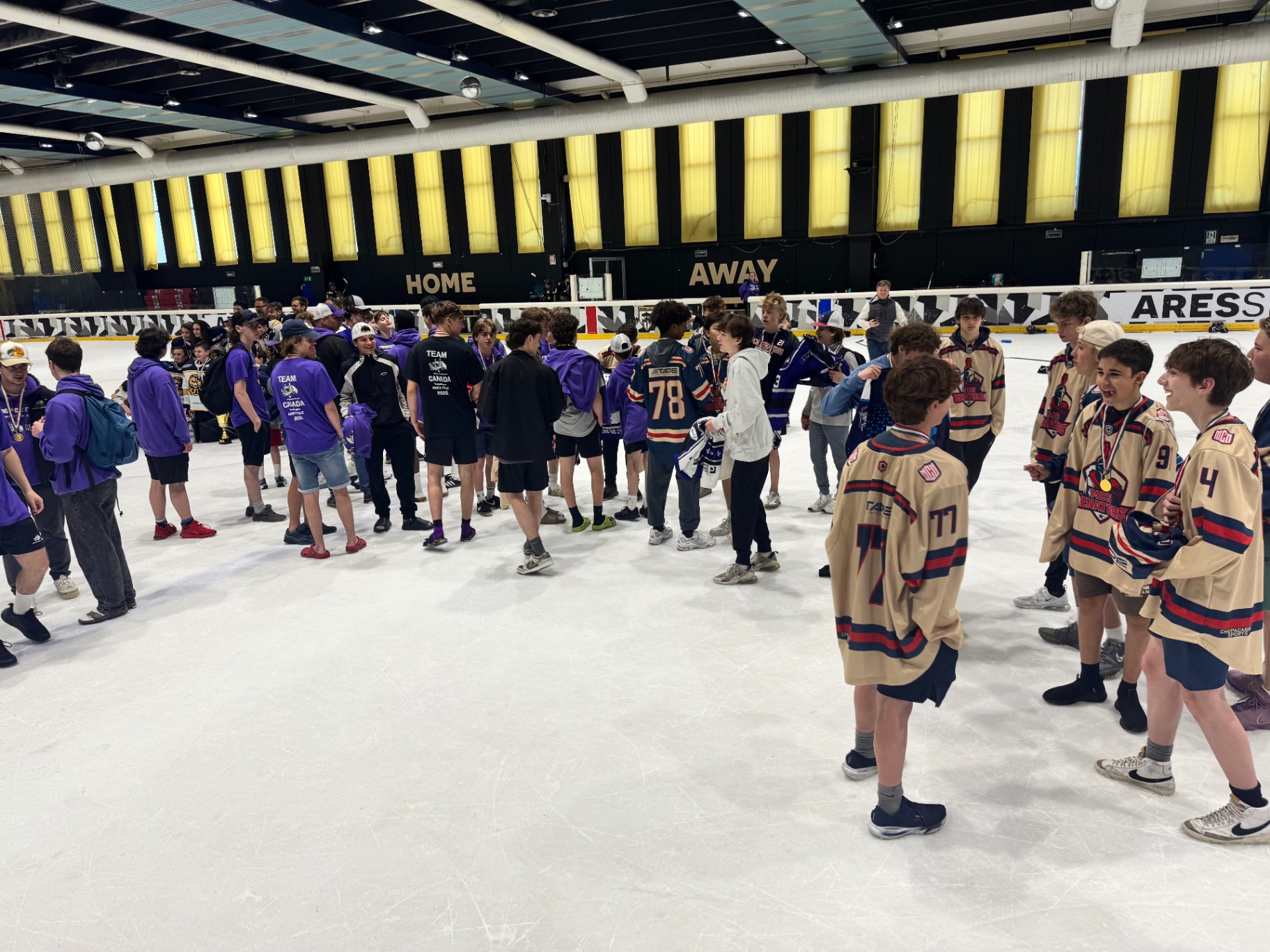
One parent told us after their son's team returned from the Finland Lions Cup that the trip "made him grow up more in ten days than the entire previous year." It wasn't just the hockey. It was navigating a foreign airport, figuring out currency exchange, learning basic phrases in another language, and discovering that the world is simultaneously bigger and smaller than he thought.
Cultural growth like this builds perspective. It creates young people who understand that their way isn't the only way, that different doesn't mean wrong, and that connecting with others requires effort and openness. These are life skills disguised as a hockey trip.
The Bonds That Last Forever
Ask anyone who's played international hockey about their teammates from those trips, and watch their face light up. There's something about sharing a foreign experience: the early morning games, the bus breakdowns, the wrong turn that led to discovering an amazing local pizza place: that bonds players differently than a regular season tournament in the next state over.
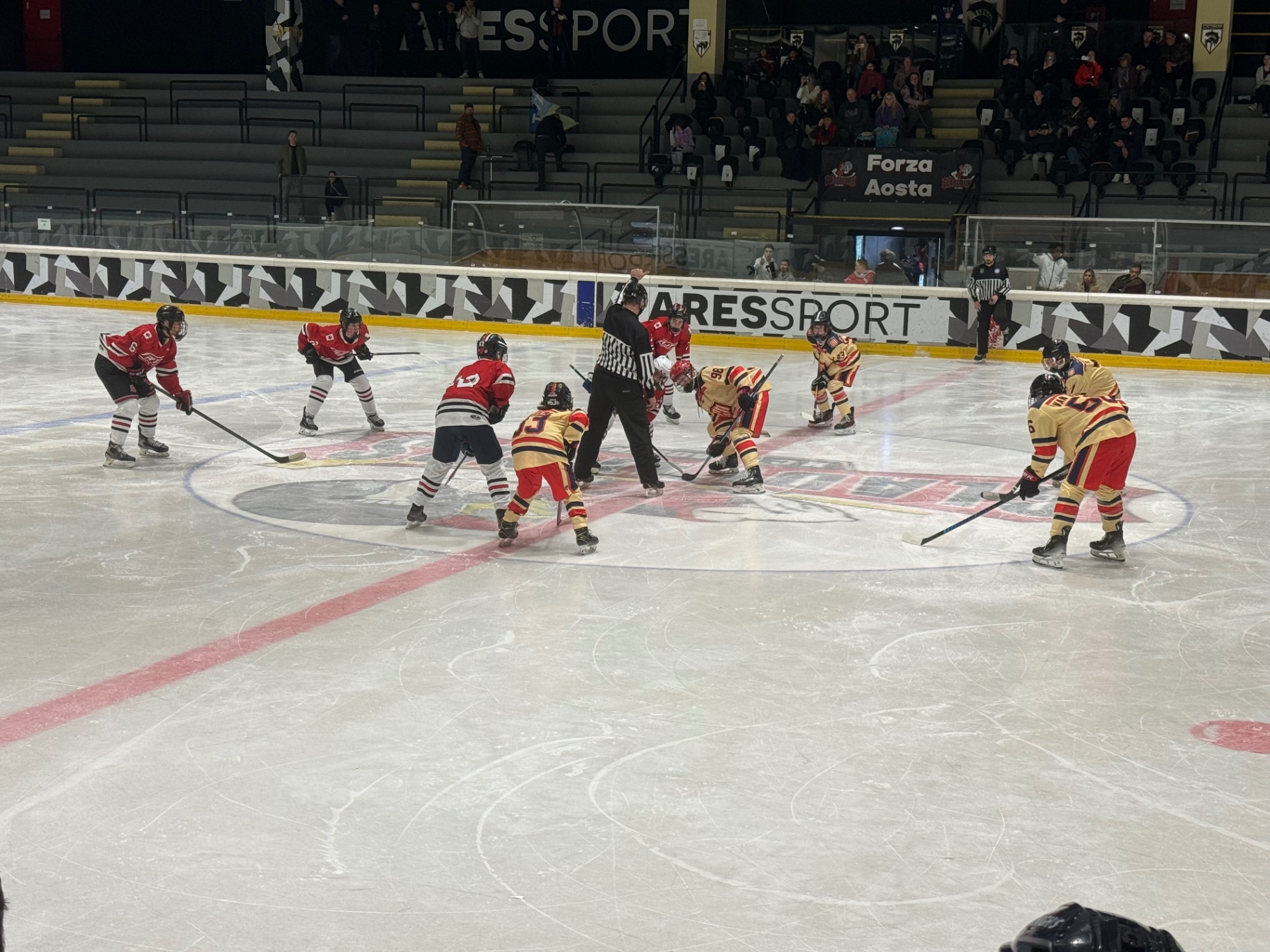
Teams that travel internationally together often maintain those relationships for years. They have inside jokes about the hostel with no hot water, shared memories of the championship game, and photos from the Eiffel Tower or the Colosseum. These experiences become part of their personal story, not just their hockey resume.
The Italian team you faced in Milano becomes a connection on social media. The Finnish goalie you chatted with after the game might end up at the same prep school two years later. Hockey becomes a truly global network, and your player is part of it.
Different Rinks, Different Challenges, Better Players
European rinks aren't just about wider ice surfaces (though that's part of it). They're about different boards, different glass, different lighting, different benches, different everything. And all those differences force adaptation.
Adaptation is where growth lives. When your power play that dominated at home suddenly struggles on international ice, players learn to think differently. When the referee calls the game tighter or looser than they're used to, they adjust their physicality. When the crowd is chanting in another language and the scoreboard looks unfamiliar, they develop mental toughness.
These challenges: big and small: stack up over a week-long tournament into measurable improvement. Coaches consistently report that players return home with better hockey sense, improved adaptability, and increased confidence. They've proven to themselves they can compete anywhere, against anyone.
How MCN Bridges the Gap
We get it: planning an international hockey trip sounds overwhelming. The logistics, the costs, the unknowns. That's exactly why MCN Sports Management has spent years building relationships with tournaments, facilities, and accommodations across Europe.
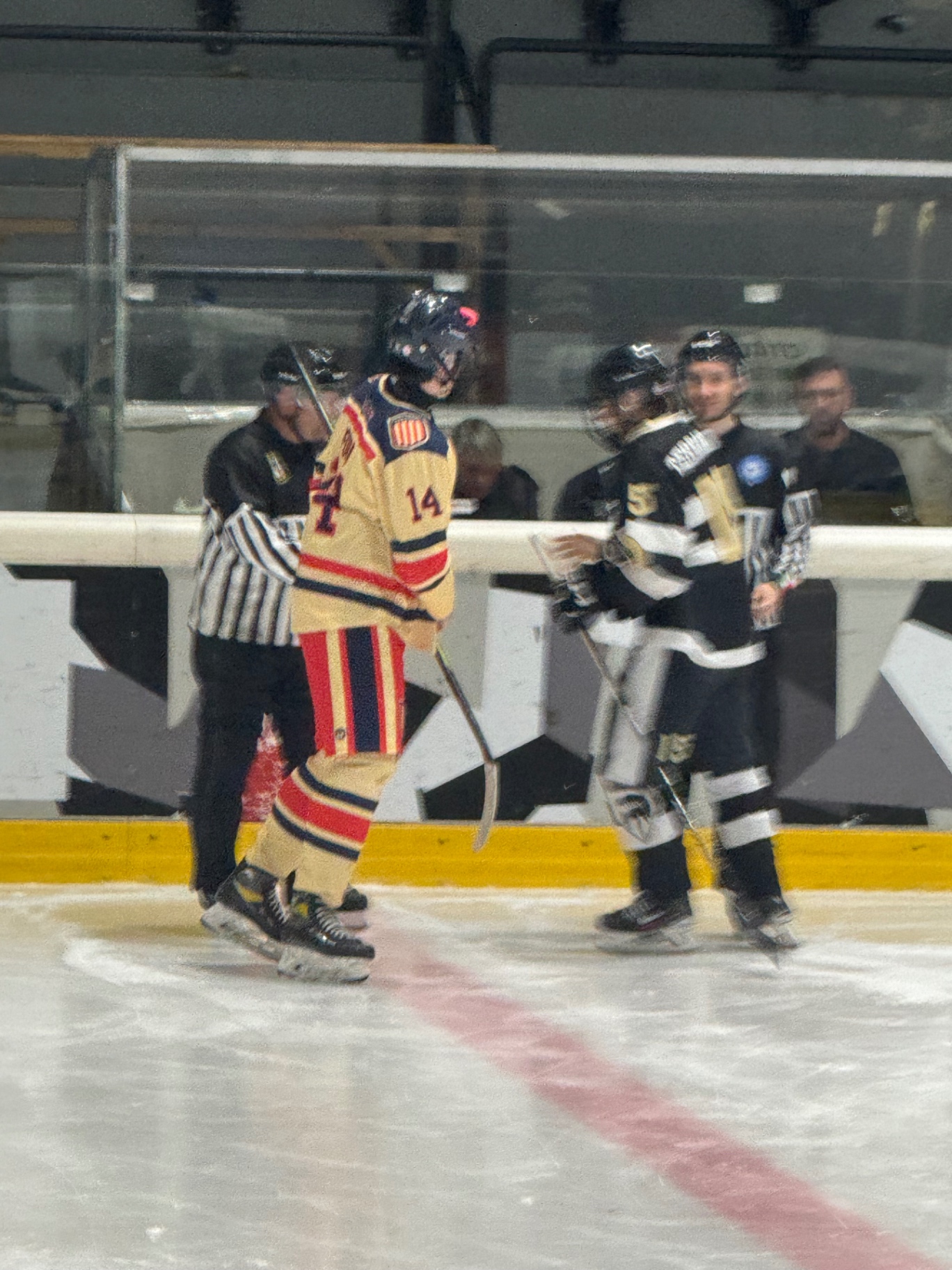
We handle everything from tournament registration to travel arrangements, from equipment transport to local guides who know the best team restaurants. Our European hockey tours are designed specifically for youth teams looking to experience international competition without the stress of managing every detail themselves.
Whether it's the World Cup Series in Italy, the Finland Lions Cup, or the Warrior Hockey Showcase in Sweden, we create experiences that mirror what these Olympic athletes feel when they step onto international ice: that sense of representing something bigger while competing at the highest level available to them.
The Milano Cortina Effect
As we watch the Olympics unfold in Northern Italy right now, thousands of young hockey players are getting inspired. They're imagining themselves making that stretch pass like Cale Makar, or finishing like Auston Matthews, or leading like Sidney Crosby.
But here's what we want them to imagine even more: the experience of playing in a tournament in Milano. Of facing teams from six different countries in one weekend. Of standing for another nation's anthem and feeling the weight of international competition. Of coming home changed: not just as a player, but as a person.
That's what international hockey offers. That's what the Olympics remind us is possible. And that's what your youth player can experience right now, not in some distant future.
The pathway from your local rink to international ice isn't as far as you think. It just requires taking the first step: and knowing someone who can guide the way.

![[HERO] Why Everyone Is Talking About International Hockey Tournament Tours (And You Should Too)](https://cdn.marblism.com/XgSqNa4uysh.webp)
![[HERO] From Milano to Your Local Rink: Why International Hockey Changes Everything](https://cdn.marblism.com/u9CDc41mCAM.webp)




Comments