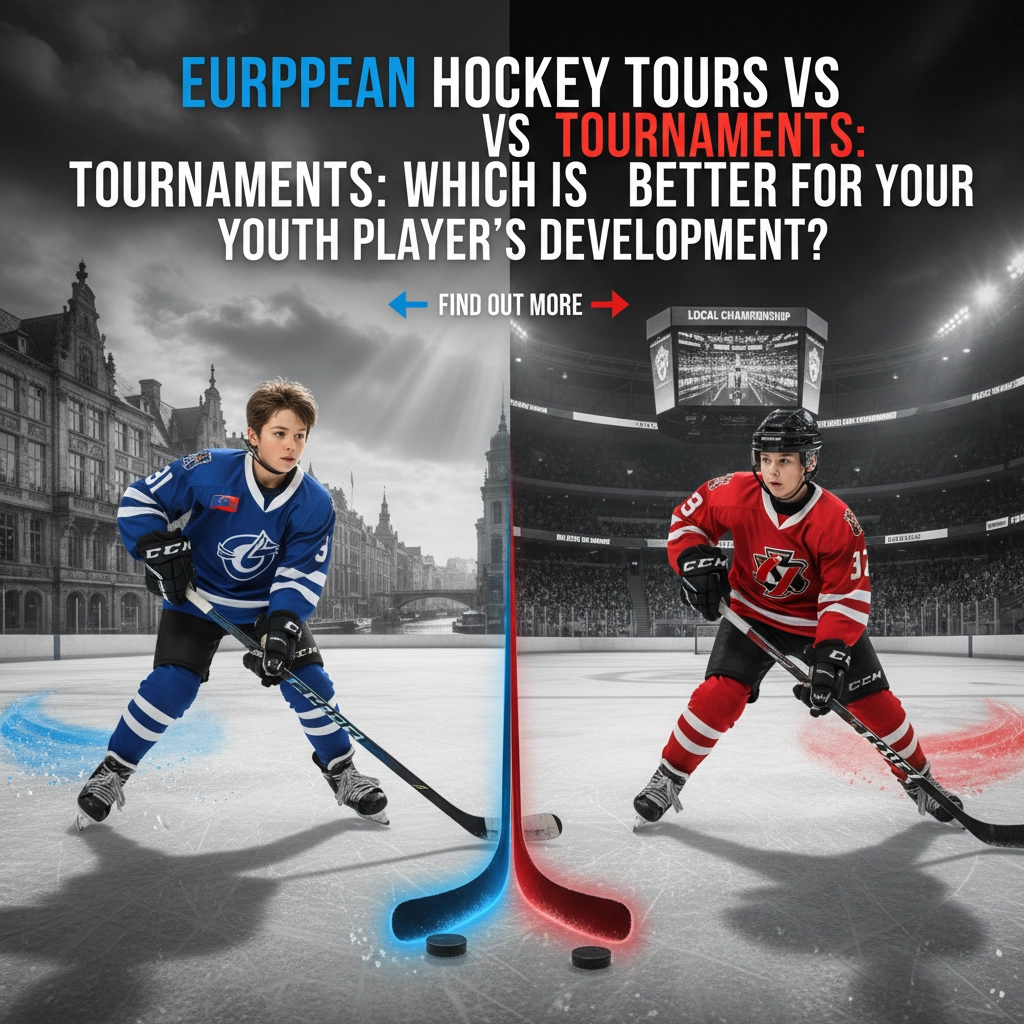
European Hockey Tours vs. Local AAA Tournaments: Which Is Better for Your Player’s Hockey IQ?
- Jul 20
- 4 min read
For many dedicated North American hockey families, the summer months are traditionally defined by the "AAA circuit": a relentless schedule of regional tournaments, highway travel, and familiar rinks. While these high-level local competitions offer visibility and competition, a growing number of elite prospects are looking across the Atlantic to gain a different kind of edge.
The debate between sticking to the domestic circuit and embarking on a European hockey tour often centers on one critical, yet frequently misunderstood, metric: Hockey IQ. While the North American game is built on pace and pressure, the European game is a study in geometry and patience. Understanding how these two environments shape a player’s brain is the key to determining the best path for long-term development.
The Geometry of the Game: 15 Feet of Tactical Evolution
The most immediate difference between a local AAA tournament in Toronto or Detroit and a tournament in Stockholm is the physical environment. A standard North American rink measures 200 feet by 85 feet. In contrast, the international Olympic-sized surface typically adds 15 feet of width.
This extra space fundamentally alters the tactical requirements of the game. On the smaller North American ice, players are constantly under pressure. The "Hockey IQ" developed here is one of rapid-fire reaction: learning to make plays in a phone booth, bracing for impact, and driving the net vertically.
"On the small ice, you don't have time to think; you just have to do," notes one MCN coach during a recent trip to the Lions Cup in Helsinki. "But when we take these kids to Europe, that 15 feet of extra width feels like an ocean. Suddenly, they have to learn how to use their eyes. They have to understand spacing and support lanes in a way the North American game just doesn't force them to do."

Swedish and Finnish Systems: The "Chess Match" IQ
While North American AAA hockey often prioritizes "inside drive": getting the puck and the body to the slot as quickly as possible: European systems, particularly the Swedish and Finnish models, emphasize puck possession and "regroups."
Tracking data suggests that North American junior players attempt significantly more passes into the slot but complete them at a lower rate due to the congestion. Conversely, European players complete a higher percentage of their passes because they are taught to move the puck laterally and "reset" when a lane is closed.
For a youth player, this exposure is transformative. In a local AAA tournament, a defenseman might be coached to "chip the puck out" or "rim it" under pressure. In a Finnish tournament, that same defenseman is encouraged to look for a lateral partner or even retreat behind the net to wait for a structured breakout. This develops a "chess match" mentality: an ability to see three moves ahead rather than just reacting to the immediate forecheck.
Adaptability: The Unfamiliar Environment Advantage
There is a psychological component to Hockey IQ that involves mental toughness and adaptability. In a local AAA tournament, the variables are controlled. The player knows the rink, the food, the travel time, and the officiating style.
When MCN Sports Management facilitates tours to events like the World Cup in Italy, players are thrust into a world of unfamiliarity. They are playing against teams that don't speak their language and who employ "trap" defenses they’ve never seen in Michigan or Ontario.
This forced adaptation is where true Hockey IQ is forged. "The kids were exhausted by day four, not just physically, but mentally," says an organizer reflecting on a recent spring tour. "They had to figure out how to beat a 1-3-1 neutral zone lock while their legs were heavy from travel. You don't get that kind of problem-solving practice at the local rink you’ve played in since you were six."
Beyond the X's and O's: The Cultural Component
It is often noted that the best hockey players are those who are well-rounded individuals. The "burnout" factor in youth hockey is real, and the traditional AAA circuit can sometimes feel like a repetitive grind.
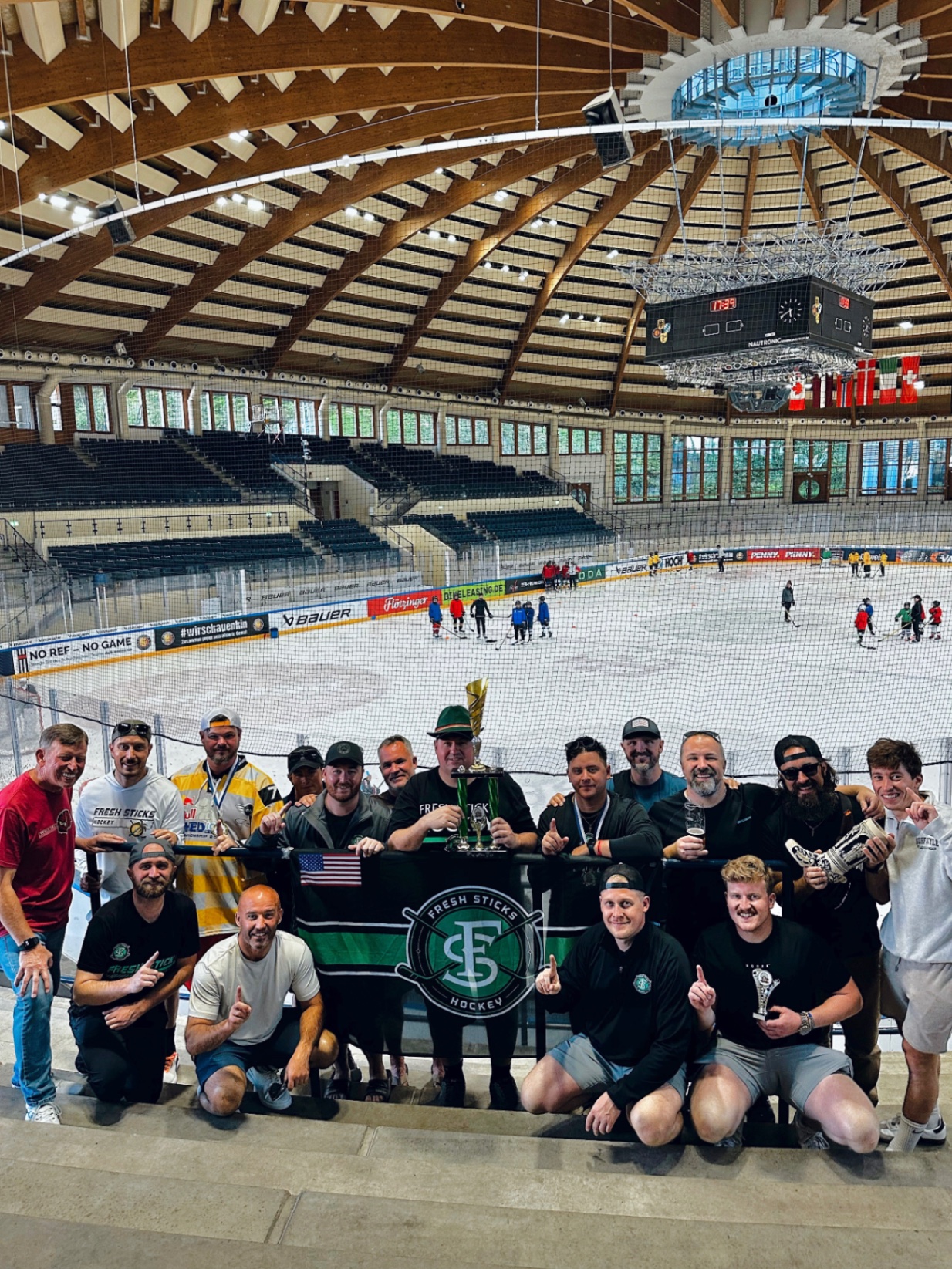
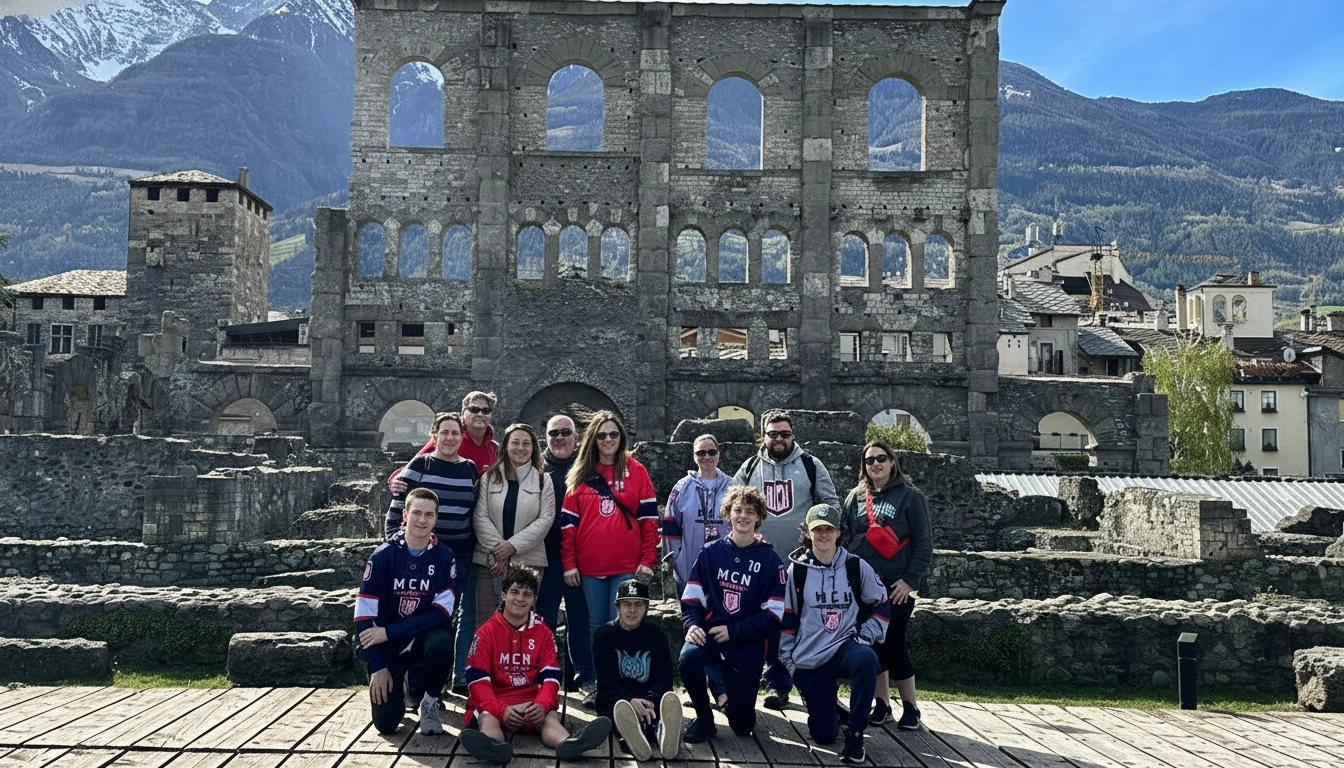
MCN Sports Management integrates cultural immersion into every tour, recognizing that a player's perspective is broadened by more than just ice time. Whether it's experiencing Oktoberfest in Munich or visiting historic ruins in Rome, these experiences build a level of maturity that translates back onto the ice.
"We saw the kids' confidence grow daily," one parent shared after a tour. "They weren't just learning how to beat a Swedish defenseman; they were learning how to navigate a foreign city and communicate across cultures. When they got back home, they played with a different kind of composure."

Realistic Expectations: Ambition Meets Performance
While the benefits of European tours are significant, they are not a "magic bullet." MCN Sports Management remains matter-of-fact about the recruitment process. A single tour will not guarantee a Division I scholarship, but it does provide a unique entry on a player's resume and a set of skills that stand out to scouts.
In our recruitment guide, we emphasize that coaches at the higher levels look for "transferable skills." A player who can demonstrate the grit of the North American game and the tactical awareness of the European game is a much more attractive prospect.
MCN’s role is to bridge this gap, handling the logistics of custom tours so that coaches and players can focus entirely on the developmental opportunity.
Future Outlook: The 2026 Season
As we look toward the 2026 schedule, the demand for international exposure continues to grow. From the Czech Republic to France, the opportunities for youth players to test their Hockey IQ on a global stage are expanding.
While the local AAA tournament circuit will always have its place in the development ladder, those looking to truly diversify their game and build a sophisticated hockey brain are increasingly looking toward the horizon.

For those ready to move beyond the local rink and test their skills against the world, the journey begins with a choice: to play the game you know, or to learn the game the world plays.

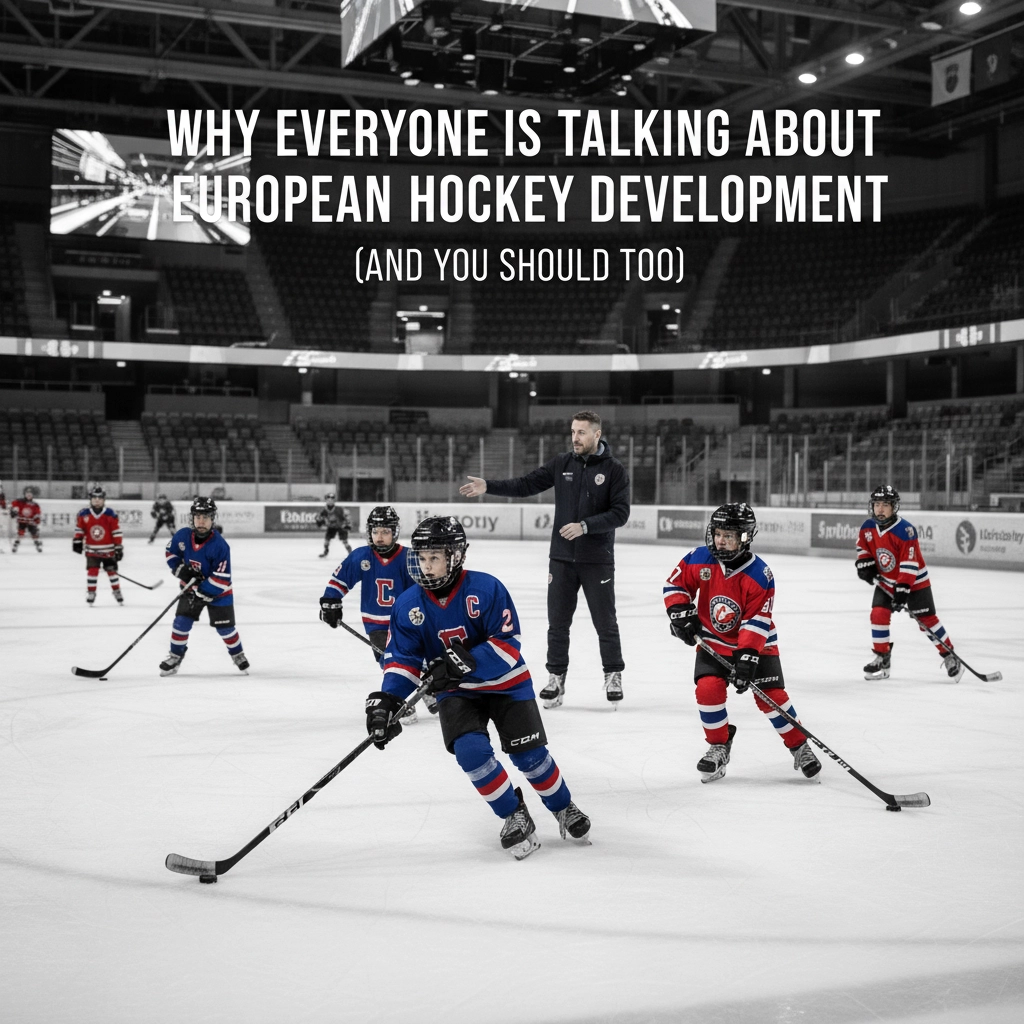
![[HERO] Why Everyone Is Talking About International Hockey Tournament Tours (And You Should Too)](https://cdn.marblism.com/XgSqNa4uysh.webp)
![[HERO] From Milano to Your Local Rink: Why International Hockey Changes Everything](https://cdn.marblism.com/u9CDc41mCAM.webp)




Comments