U13 World Cup Series: Hockey Meets Adventure in Paris & Tours, France

The convergence of elite youth hockey and European cultural exploration reaches its pinnacle with the U13 World Cup Series, scheduled for April 20-28, 2026, across the storied cities of Paris and Tours, France. This tournament represents more than just another international competition: it's a transformative experience that weaves together AAA-level hockey, architectural marvels, and centuries of French heritage into an unforgettable journey for young athletes born in 2013 and 2014.
Elite Competition on European Ice
The U13 World Cup Series attracts the continent's finest youth hockey programs, creating a competitive landscape that challenges players to elevate their game while representing their organizations on an international stage. Teams from across Europe converge with a singular focus: to compete at the highest level while experiencing the unique atmosphere that only European hockey can provide.

The tournament format ensures every participating team faces meaningful competition throughout the week-long event. Games are structured to maximize both competitive intensity and developmental opportunities, with each match providing valuable experience against different playing styles and tactical approaches. European teams bring distinct hockey philosophies, from the technical precision often associated with Scandinavian programs to the physical, fast-paced style common in Central European leagues.
"Playing against European teams at this age opens up a completely different dimension of hockey," notes tournament organizer Zach Klempel from MCN Sports Management. "These players experience game situations they simply don't encounter in North American leagues, and that exposure is invaluable for their development."
The venues themselves contribute to the tournament's distinctive character. French ice arenas, with their intimate settings and enthusiastic local crowds, create an atmosphere that transforms routine games into memorable experiences. The combination of unfamiliar surroundings, different ice dimensions, and varied officiating styles provides young players with challenges that extend well beyond the scoresheet.
Paris: Where History Meets Hockey
The Parisian portion of the tournament transforms the City of Light into a classroom without walls. Between games and practices, teams embark on guided tours that reveal the capital's most iconic landmarks while providing context for France's rich cultural heritage.
The Eiffel Tower, visible from various points throughout the city, serves as both a navigation landmark and a symbol of the adventure these young athletes are experiencing. Organized visits to the tower's observation decks offer teams a perspective on Paris that few tourists achieve, with group photos capturing moments that will define this tournament experience for years to come.

The Louvre Museum presents another dimension of the Paris experience entirely. Structured tours, designed specifically for youth sports groups, focus on key exhibits while maintaining engagement through interactive elements. "We watched these kids who had been completely focused on hockey suddenly become fascinated by medieval armor and ancient sculptures," recalls team manager David Rodriguez, whose squad participated in last year's series. "It was like watching them discover a completely different world."
Local city walks through neighborhoods like Montmartre and along the Seine River provide intimate glimpses into Parisian daily life. These excursions, led by local guides, offer organic opportunities for cultural exchange as players interact with French youth and shopkeepers, often bridging language barriers through the universal language of sports enthusiasm.
The dining experiences in Paris extend the cultural immersion beyond traditional sightseeing. Team dinners at local bistros introduce players to French cuisine while creating bonding opportunities away from the competitive environment. These meals often become highlights of the entire trip, with players discovering preferences for foods they had never encountered while sharing stories and building friendships that transcend national boundaries.
Tours and the Loire Valley: France's Historic Heart
The tournament's second location, Tours, offers a dramatically different but equally enriching French experience. This historic town, situated in the Loire Valley, provides access to some of France's most celebrated châteaux while maintaining the intimate character of provincial French life.
Tours itself serves as a living museum of medieval and Renaissance architecture. The old town's narrow cobblestone streets and half-timbered houses create an atmosphere that transports visitors centuries into the past. For young hockey players accustomed to modern suburban environments, these settings provide tangible connections to European history that textbooks cannot replicate.

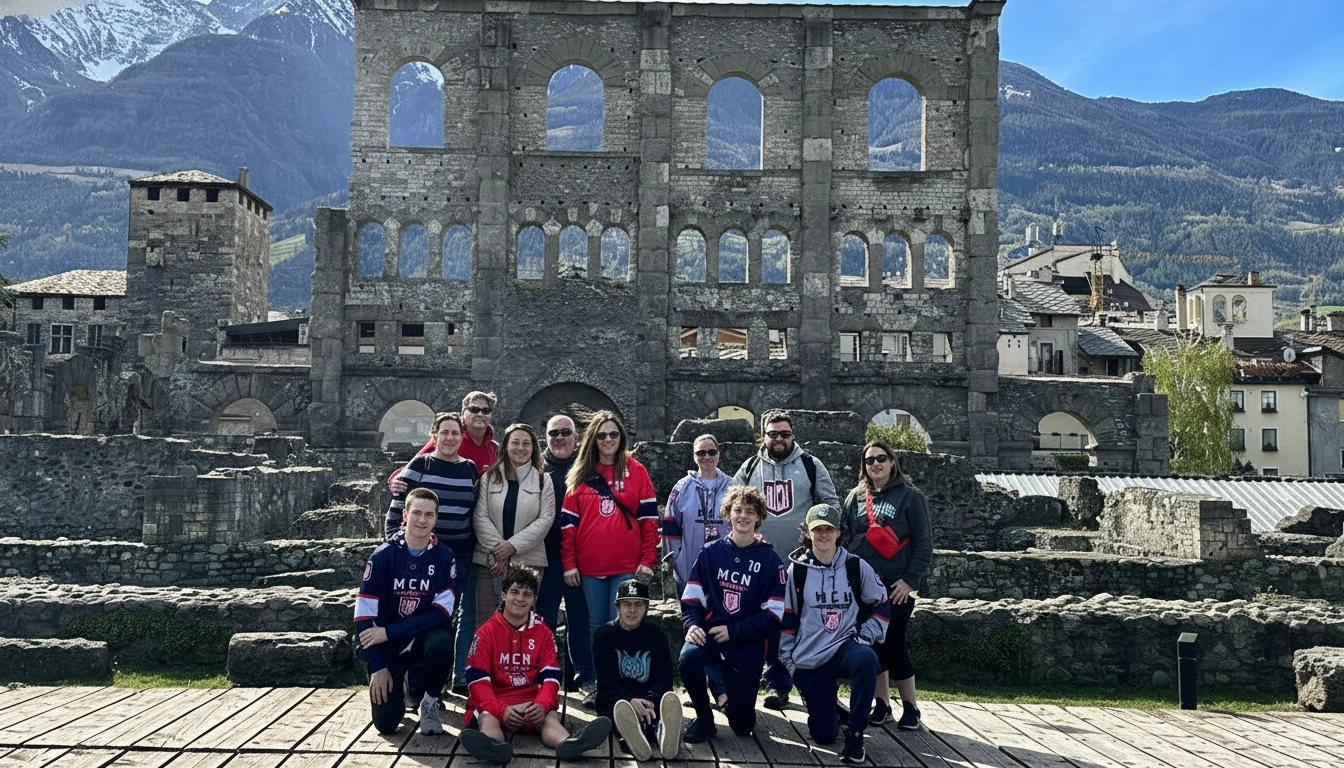
Organized excursions to Loire Valley châteaux like Château de Villandry and Château de Langeais offer teams opportunities to explore French royal history while experiencing the grandeur of Renaissance architecture. These visits, structured to accommodate sports team schedules, typically include guided tours focused on historical narratives that capture young imaginations.
"The kids were initially skeptical about visiting old castles," admits coach Michael Thompson, whose team participated in the 2025 series. "But by the end of the château tour, they were asking questions about medieval life and making connections between historical events and modern France. It became one of those unexpected learning moments that you can't plan for."
The Loire Valley's agricultural landscape provides additional educational opportunities through visits to local vineyards and farms. While too young for wine tastings, players learn about French agricultural traditions and the region's economic foundation through interactive tours that often include tastings of local cheeses and breads.
Cultural Immersion Beyond Tourism
The U13 World Cup Series distinguishes itself through structured cultural exchange opportunities that extend beyond conventional sightseeing. Host families, when available, provide select players with overnight experiences that offer authentic glimpses into French family life. These arrangements, carefully coordinated by tournament organizers, often result in lasting friendships between players and their French hosts.
Language exchange activities, facilitated during tournament downtime, pair visiting players with local youth hockey players. These informal sessions, conducted in arena common areas and local cafés, create organic learning environments where young people share hockey experiences while practicing English and French conversation skills.

Local market visits in both Paris and Tours provide hands-on cultural education as teams explore traditional French food markets. These excursions, typically scheduled during morning hours when markets are most active, allow players to observe daily French commercial life while sampling regional specialties and practicing basic French phrases with vendors.
The tournament also incorporates French hockey culture through visits to local youth hockey programs. These exchanges allow visiting players to observe training methods, equipment differences, and coaching philosophies while developing friendships with their European counterparts. Such interactions often continue through social media long after the tournament concludes, creating international networks among young athletes.
Team Building Through Shared Experience
The unique environment created by combining elite competition with cultural exploration generates natural team-building opportunities that traditional tournaments cannot replicate. Shared experiences of navigating foreign customs, trying unfamiliar foods, and exploring historic sites create bonds among teammates that extend well beyond their hockey relationships.
"There's something about being in a foreign country that brings teams together differently," observes sports psychologist Dr. Lisa Chen, who has studied youth international tournaments. "Players who might not interact much at home suddenly become travel companions and cultural ambassadors for each other."
Evening team activities, scheduled around the tournament's competitive commitments, range from group visits to Parisian landmarks illuminated after dark to local festivals and cultural events in Tours. These experiences, while carefully supervised, allow players age-appropriate independence while building confidence in navigating unfamiliar environments.
The tournament's residential arrangements, typically involving hotel accommodations with team-based room assignments, facilitate natural leadership development as older players mentor younger teammates through their first international travel experiences. Coaches frequently report observing leadership qualities and maturity development that might not emerge in familiar domestic settings.
Preparing for the Experience
Families considering participation in the U13 World Cup Series should understand that this tournament requires preparation extending beyond traditional hockey readiness. Players benefit from basic French language introduction, cultural orientation about French customs, and discussions about adapting to different food, schedules, and social environments.
The tournament organizers provide comprehensive pre-departure materials covering practical considerations like appropriate clothing for both hockey and sightseeing activities, currency exchange, communication with families back home, and behavioral expectations in international settings. These resources help ensure that both players and families feel prepared for the experience ahead.
Medical and insurance considerations receive particular attention, with tournament organizers maintaining relationships with French medical facilities and providing 24-hour emergency support throughout the event. Parents appreciate the comprehensive safety protocols while players gain confidence from knowing support systems remain readily available.
For many participants, the U13 World Cup Series represents their first significant international experience. The tournament's structure, combining familiar hockey routines with planned cultural activities, provides scaffolding that helps young athletes adapt to international travel while maximizing both competitive and educational opportunities.
\
The registration process for the upcoming April 2026 tournament has already begun, with teams securing positions through MCN Sports Management. Early registration ensures optimal placement in both competitive divisions and cultural activity groups, allowing families to plan this transformative experience well in advance.
The U13 World Cup Series continues to evolve, incorporating feedback from participants and families while maintaining its core mission of combining elite youth hockey with meaningful cultural exchange. As one parent noted after her son's participation, "He came home a better hockey player, but more importantly, he came home with a broader perspective on the world and his place in it."

![[HERO] Why Everyone Is Talking About International Hockey Tournament Tours (And You Should Too)](https://cdn.marblism.com/XgSqNa4uysh.webp)
![[HERO] From Milano to Your Local Rink: Why International Hockey Changes Everything](https://cdn.marblism.com/u9CDc41mCAM.webp)




Comments